
Industry News: Is Private Label Skincare Profitable?
Industry News: Is Private Label Skincare Profitable?
Introduction
Starting a private label skincare business can be a great way to make money and create your own skincare line, but it needs good planning and smart decisions. This article will look at how profitable private label skincare can be and share tips on how to open a cosmetic business successfully. It will also help to find a niche skincare market, which is crucial for standing out. Plus, the rise of influencers creating a skincare line shows that there are many opportunities in this industry. Understanding the potential for profit is key to making the right choices and achieving success. But first of all, let’s explore Is Private Label Skincare Profitable and the reasons behind its profitability.
Key Takeaway

Here is the summary of 12 Reasons How Profitable Is the Skincare Business:
Key Factor
Importance
Impact on Profitability
Customization Opportunities
Personalized products meet specific customer needs and preferences.
Attracts more customers, leads to higher sales, and builds customer loyalty.
Higher Profit Margins
Control over pricing and production costs allows for better profit margins.
Increased profitability by managing costs and setting competitive prices.
Market Research
Understanding target market preferences and trends is crucial.
Informs product decisions that can lead to increased sales and profitability
Align with Trends
Ability to adapt to changing skincare trends and consumer demands.
Enhances brand visibility and drives sales, contributing to overall profitability.
Direct Relationship with Manufacturers
Greater control over quality and production through close partnerships.
Leads to high-quality products, reducing returns and increasing customer satisfaction, thus enhancing profitability.
Niche Targeting and Market Segmentation
Identifying specific market segments allows for tailored products.
Increases demand and allows for premium pricing, enhancing profitability.
Reduced Time
Quicker product launches through ready-made solutions from manufacturers.
Accelerates revenue generation and enhances profitability potential.
Low Minimum Order Quantities
Small initial orders reduce financial risks and allow testing of products in the market.
Provides cost-effective entry into the market and supports growth based on customer feedback.
Brand Control
Full control over brand identity and messaging.
Builds consumer trust and maintains a unique market presence, enhancing profitability.
Build Brand Identity
A strong brand resonates with target audiences and builds customer loyalty.
Increases sales, positions for premium pricing, and contributes to long-term profitability.
Flexibility in Scaling the Business
Adjustable production levels based on market demand.
Supports growth at a sustainable pace, keeping operational risks low and enhancing profitability.
Meeting the Demand for Sustainable Products
Offering eco-friendly and ethically made products aligns with consumer preferences.
Attracts more customers and enhances brand image, contributing to overall success and profitability.
Understanding the Private Label Skincare Market
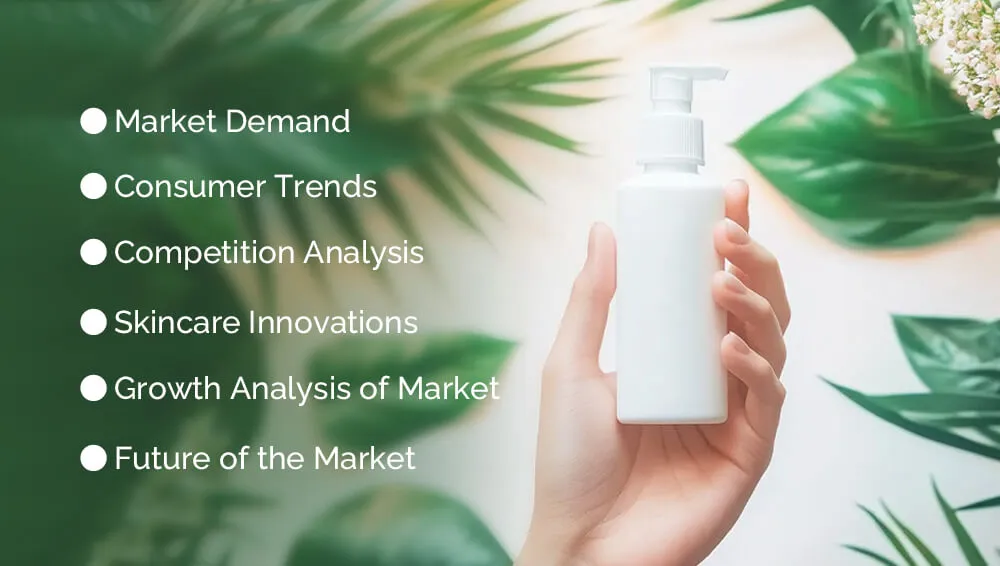
Market Demand
The demand for skincare products has grown significantly in recent years, driven by increasing consumer awareness of skin health and beauty routines. People are looking for products that address specific skin concerns such as moisturizing, anti-aging, and acne, leading to a rise in specialized skincare lines. Plus, trends like clean beauty, natural ingredients, and eco-friendly packaging are shaping the market. This growing interest is creating opportunities for businesses in the private label skincare market to develop unique products that meet the needs of today’s consumers.
Consumer Trends
The skincare industry is constantly evolving with new consumer trends shaping the market. One key trend is the growing demand for natural and organic products, as more people seek skincare that is free from harsh chemicals. Personalized skincare is also gaining popularity, with consumers looking for products tailored to their unique skin concerns. Another emerging trend is sustainability, where eco-friendly packaging and ethical sourcing of ingredients are becoming major factors in purchasing decisions. Lastly, consumers are increasingly interested in multi-functional products that offer convenience and efficiency, blending beauty and skincare benefits into one.
Competition Analysis
In the private label skincare market, understanding the competitive landscape is crucial. By analyzing existing brands, products, and trends, it’s possible to identify potential gaps or underserved niches. This analysis helps in discovering unique opportunities where a new product line can stand out. Whether it’s focusing on clean beauty, eco-friendly packaging, or targeting a specific skin concern, finding these niches can set a brand apart from competitors.
Skincare Innovations
The private label skincare market is constantly evolving with new trends and advancements. Staying informed about the latest skincare innovations is essential for businesses in this field. This includes breakthroughs in formulations, the use of cutting-edge ingredients, and sustainable packaging solutions. By following these advancements, companies can offer modern and effective products that meet consumer demands for healthier, eco-friendly, and high-performance skincare.
Growth Analysis of Market
The private label skincare market has shown significant growth in recent years, driven by the increasing demand for personalized and affordable skincare products. Consumers are becoming more aware of the ingredients in their skincare and are seeking high-quality products at competitive prices. This trend has opened up opportunities for private label brands to thrive. Additionally, the rise of e-commerce and social media marketing has made it easier for medium or small businesses to enter the market and reach a global audience. The potential for growth remains strong as more brands tap into niche markets and create innovative skincare solutions.
Future of the Market
The private label skincare market is expected to grow significantly in the coming years. With increasing demand for personalized skincare solutions and sustainable, high-quality products, more brands are turning to private label options. Consumers are also becoming more aware of skincare ingredient transparency and ethical practices, pushing the industry toward cleaner and greener formulations. As technology and innovation in skincare advance, the market will likely see more niche products tailored to specific skin types and concerns. This presents exciting opportunities for businesses looking to tap into a rapidly evolving industry.
Factors Affecting Profitability
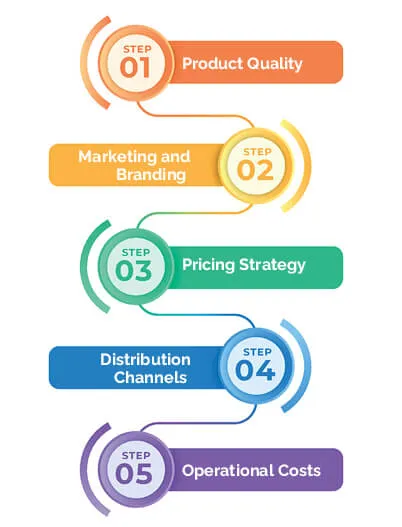
Product Quality
Product quality plays a crucial role in determining profitability. High-quality ingredients and manufacturing processes can lead to better-performing products, which in turn, increases customer satisfaction and repeat purchases. Investing in premium formulations can also help build a strong brand reputation, attract more customers, and allow for premium pricing. High product quality reduces the chances of returns or complaints, which further improves profitability.
Marketing and Branding
Building a strong brand identity and implementing effective marketing strategies are crucial factors in driving profitability. A well-defined brand helps to differentiate products in the market, attracting loyal customers. Effective marketing can increase product visibility, reach a wider audience, and create lasting brand awareness. Both elements play a key role in creating a recognizable presence and boosting sales, which ultimately impacts overall profitability.
Pricing Strategy
Setting the right pricing strategy is crucial for profitability. Competitive prices should be established based on the target market and the perceived value of the product. It’s important to balance affordability with quality, ensuring that the price reflects the product’s benefits while appealing to the intended audience. A well-structured pricing strategy helps in maintaining market position and optimizing revenue.
Distribution Channels
Selecting the right distribution channels is essential for reaching customers efficiently and maximizing profitability. Factors such as target market, product type, and geographic location play a role in determining the most effective channels. Options can range from retail stores, e-commerce platforms, and direct-to-consumer sales, to partnerships with third-party distributors. Each channel offers different advantages in terms of reach, cost, and customer engagement, making it important to align the chosen channels with the overall business strategy.
Operational Costs
Operational costs play a key role in determining profitability. These include expenses like production, skincare packaging, shipping, and staffing. Managing these costs efficiently can help increase profit margins. Streamlining processes, negotiating better deals with suppliers, and optimizing resource use are all ways to control operational costs and improve overall profitability. By keeping operational expenses in check, businesses can ensure steady financial growth.
Is Private Label Skincare Profitable
Customization Opportunities
Customization is a key factor that can determine if private label skincare is profitable. When brands offer unique and personalized products, they can better meet the specific needs of their target audience. This means creating formulations that address various skin types, concerns, and preferences. By focusing on what customers want, businesses can stand out in a crowded market. The ability to customize products not only attracts more customers but can also lead to higher sales. This approach supports the question of whether Is Private Label Skincare Profitable, as personalized offerings often result in better customer loyalty and repeat purchases.
Higher Profit Margins
One of the key benefits of private label skincare is the potential for higher profit margins. When businesses create their own skincare products, they have greater control over pricing. This allows for setting prices that reflect the brand’s value and market demand. By controlling production and packaging costs, businesses can achieve better profit margins compared to selling generic products. Higher profit margins are especially important in a competitive market. For those wondering, Is Private Label Skincare Profitable, the answer often lies in the abilit